The Constant Push Against Standards
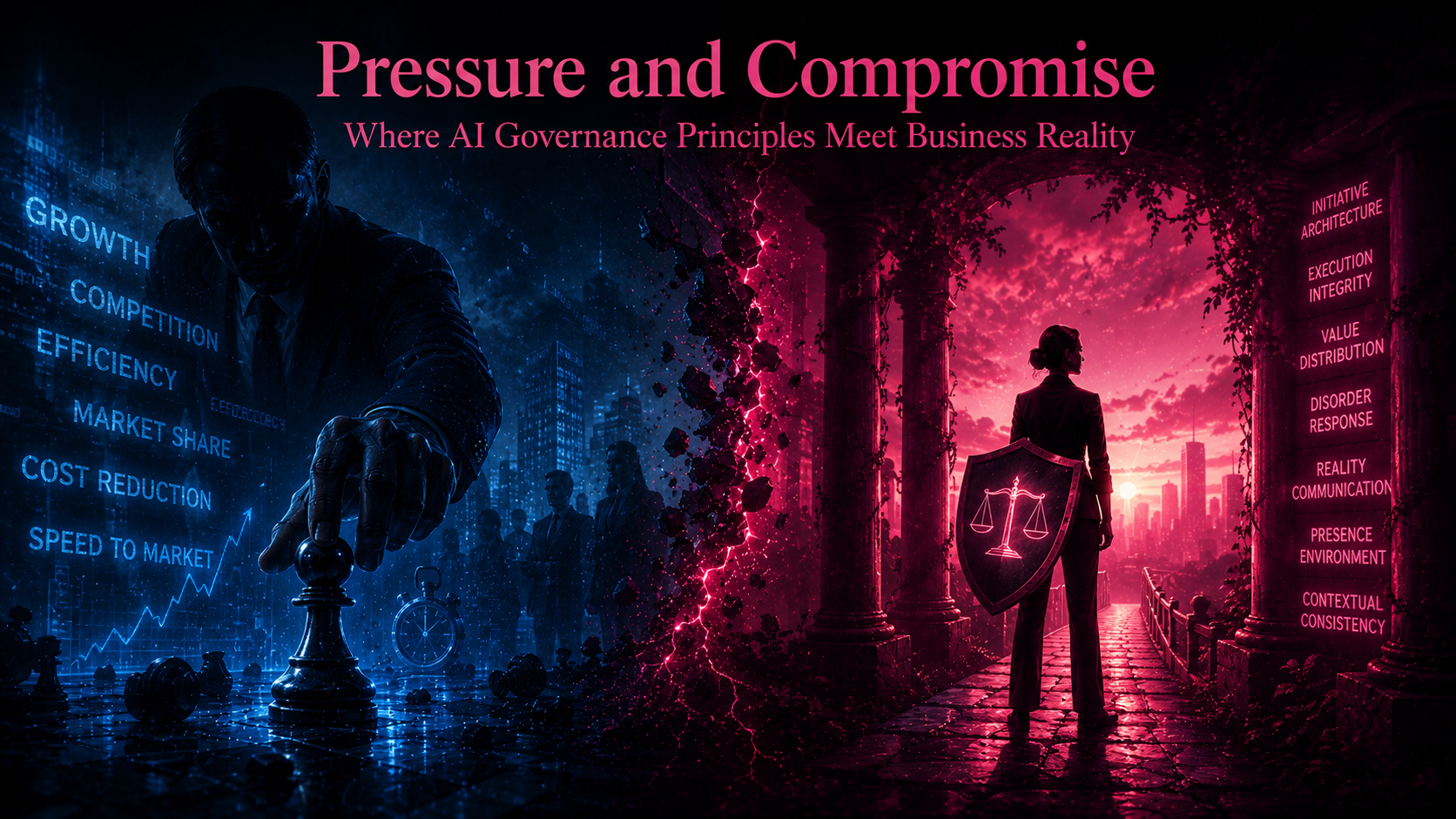
Every governance framework encounters pressure. Competitive dynamics demand faster deployment. Cost constraints require efficiency gains. Growth targets push for expanded automation. Technical teams advocate for capabilities that governance hesitates to approve. Business sponsors emphasize revenue opportunities while minimizing risk concerns. This pressure is not occasional. It is constant. And it shapes AI operations as powerfully as any governance policy.
The pressure is often legitimate. Organizations do face competitive threats. Efficiency does matter. Growth does sustain employment and value creation. The challenge is distinguishing pressure that represents legitimate business challenge from pressure that constitutes ethical threat. Legitimate challenge asks governance to work smarter, to find ways to achieve alignment with fewer resources, to approve capabilities that serve stakeholders while also serving business interests. Ethical threat asks governance to compromise standards, to approve deployments that shift burden onto stakeholders, to tolerate practices that governance frameworks were designed to prevent.
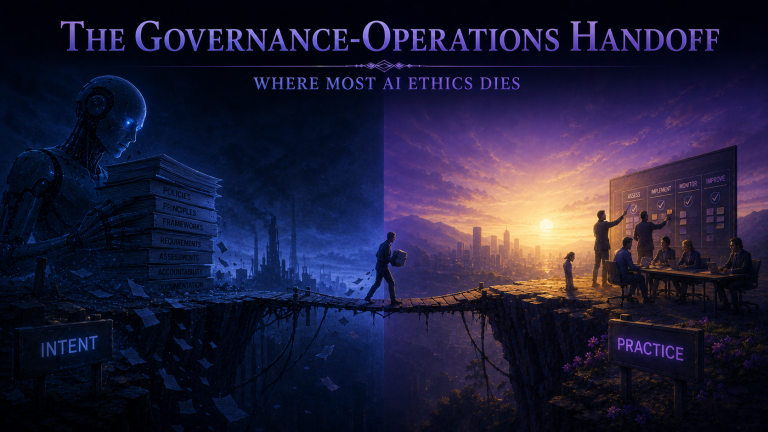
Throughout this series, we have described governance structures, metrics architectures, touchpoint designs, incident protocols, and change processes that translate alignment principles into operational practice. All of these structures exist within organizational contexts where pressure operates continuously. The structures we have described are not self-executing. They require human judgment to implement, human commitment to maintain, and human courage to defend when pressure pushes toward compromise. Operations managers occupy the front line where pressure meets principles. How they respond determines whether governance frameworks translate to reality.
Recognizing the Difference Between Challenge and Threat
The first operational discipline is recognizing when pressure represents legitimate challenge versus ethical threat. This recognition is not always obvious. Pressure rarely announces itself as ethical threat. It arrives dressed as business necessity, competitive reality, executive priority, or customer demand. Distinguishing challenge from threat requires asking what the pressure actually requests and whether that request is compatible with governance commitments.
Legitimate challenge accepts alignment as constraint. The question is how to achieve business objectives within alignment parameters. Can we deploy faster while maintaining governance review? Can we reduce costs while preserving human touchpoints? Can we expand automation while maintaining accountability chains? These questions seek creative solutions that honor both business and ethical requirements. They represent the productive tension that drives organizational improvement.
Ethical threat asks alignment to yield. The question is whether governance requirements can be relaxed, deferred, or circumvented to achieve business objectives more easily. Can we skip governance review for this deployment because timelines are tight? Can we reduce touchpoint staffing because automation handles most volume? Can we deploy the model before bias testing completes because the market window is closing? These requests treat alignment as obstacle rather than constraint. They represent pressure that governance must resist.
The distinction matters because responses differ. Legitimate challenge deserves engagement, problem-solving, and creative partnership with business functions. Ethical threat deserves resistance, escalation, and clear articulation that governance requirements are not negotiable. Operations managers who cannot distinguish challenge from threat will either resist legitimate business needs unnecessarily or yield to ethical threats inappropriately.
Maintaining Standards Rather Than Rationalizing Exceptions
When pressure is identified as ethical threat, the temptation toward exception-making begins. Every compromise has a rationale. The timeline really is tight. The competitive threat really is serious. The cost savings really are substantial. The exception really will be just this once. These rationalizations are often sincere. Operations managers under pressure genuinely believe that this particular exception is warranted by this particular circumstance.
But exceptions compound. The exception made under timeline pressure creates precedent for future timeline exceptions. The cost saving achieved by reducing touchpoints suggests further savings from further reductions. The deployment approved before testing completes encourages future deployments to skip testing as well. What began as isolated exception becomes normalized practice. The governance framework remains on paper while operations diverge further from its requirements.
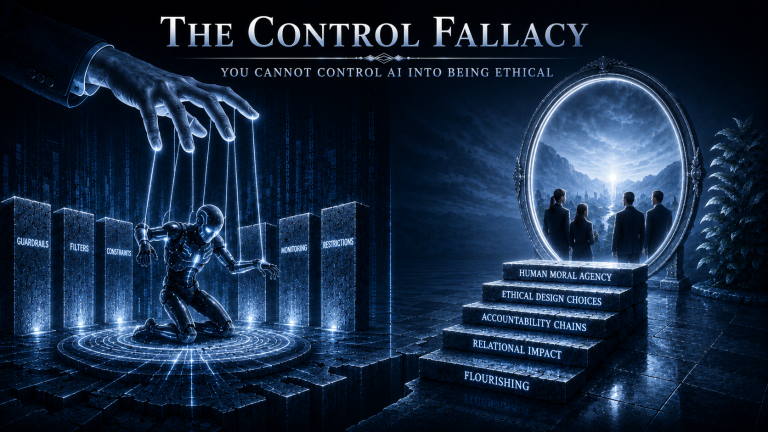
Maintaining standards requires treating governance requirements as genuine constraints, not preferences to be weighed against business benefits. When governance frameworks prohibit burden shifting, they prohibit it, not suggest that burden shifting should be avoided when convenient. When change processes require alignment testing, they require it, not recommend that alignment testing occur when time permits. Operations managers who internalize governance requirements as genuine constraints respond differently to pressure than managers who treat requirements as aspirational guidelines.
This does not mean governance requirements can never change. When business experience reveals that specific requirements are unnecessary or counterproductive, governance frameworks should be revised through proper processes. But revision differs from exception. Revision changes requirements prospectively for all similar cases. Exception ignores requirements for this case while leaving requirements nominally in place for other cases. Revision improves governance. Exception erodes it.
Escalation and Documentation
When pressure exceeds what operations managers can appropriately resist, escalation transfers the decision to authorities with broader perspective and greater organizational power. Knowing when to escalate versus when to decide is essential operational judgment.
Escalation is appropriate when pressure originates from authorities that outrank operations management, when yielding would violate governance requirements that operations management lacks authority to waive, when consequences of resistance exceed what operations management can appropriately accept, or when the situation reveals governance framework gaps requiring policy-level attention. Escalation brings pressure situations to leaders who can evaluate business and ethical considerations with full organizational context and authority.
Documentation serves multiple purposes. It creates accountability record showing what pressure was applied, by whom, and how operations management responded. It preserves organizational learning about pressure patterns for governance framework improvement. It protects operations managers who appropriately resisted pressure from later criticism that they impeded business progress. And it enables audit assessment of whether pressure situations are being handled consistently with governance frameworks.
Documentation should capture the pressure source and nature, the business case offered for yielding, the ethical concerns that yielding would raise, the decision made and rationale, and outcomes observed. This documentation creates organizational memory that survives personnel changes and enables pattern recognition across incidents. Organizations that do not document pressure situations cannot learn from them.
Learning from Compromise
Despite best efforts, compromise occurs. Operations managers sometimes yield to pressure they should have resisted. Organizations sometimes prioritize short-term business gains over long-term alignment. Governance frameworks sometimes prove inadequate to withstand sustained pressure. These compromises are not merely failures to be forgotten. They are learning opportunities that reveal where governance structures need strengthening.
Post-compromise analysis should examine why compromise occurred. Was the pressure legitimate challenge that governance failed to distinguish from ethical threat? Were governance requirements unclear, leaving operations managers without firm ground to stand on? Were escalation pathways inadequate, forcing managers to decide when they should have escalated? Was organizational culture insufficiently committed to alignment, leaving managers isolated when they resisted? Each failure mode requires different remediation.
Analysis should also examine consequences. What happened because compromise occurred? Were stakeholders harmed as governance frameworks predicted? Did the feared business consequences of resistance actually materialize, or were they exaggerated? This consequentialist learning enables more accurate assessment of pressure in future situations. Organizations that yielded to pressure and saw minimal harm may need to recalibrate governance requirements. Organizations that yielded and saw substantial harm should strengthen commitment to resistance.
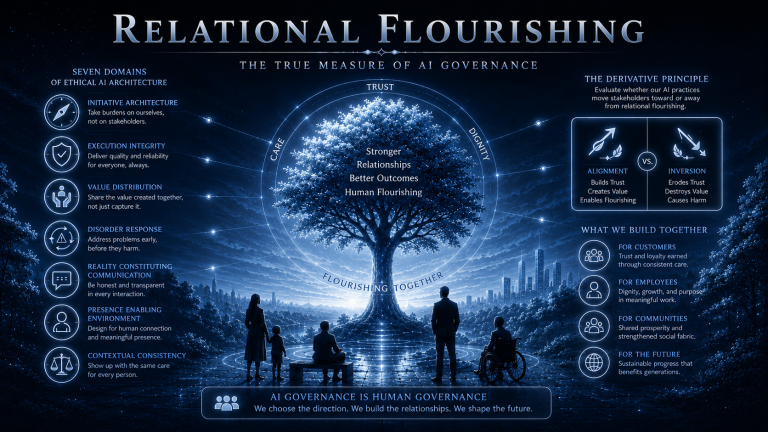
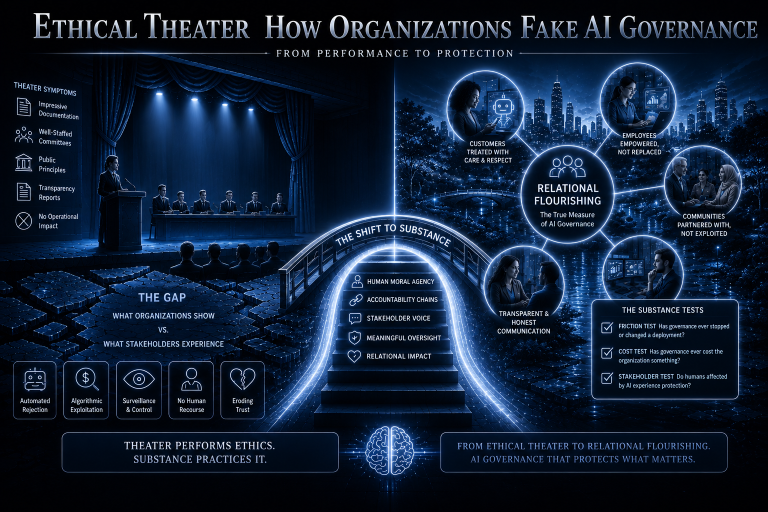
The series we have presented describes how AI governance should work: continuous alignment monitoring, thoughtful metrics architecture, principled touchpoint management, stakeholder-centered incident response, ethically informed change management, and disciplined pressure resistance. These practices collectively translate governance frameworks from aspirational documents into operational reality. They require sustained organizational commitment, adequate resourcing, and cultural values that genuinely prioritize stakeholder flourishing. Where that commitment exists, ethical AI is achievable. Where it is absent, the most sophisticated governance frameworks become fiction that actual operations have left behind. The choice is organizational. The consequences fall on stakeholders whose flourishing depends on whether organizations choose to govern AI ethically or merely efficiently.