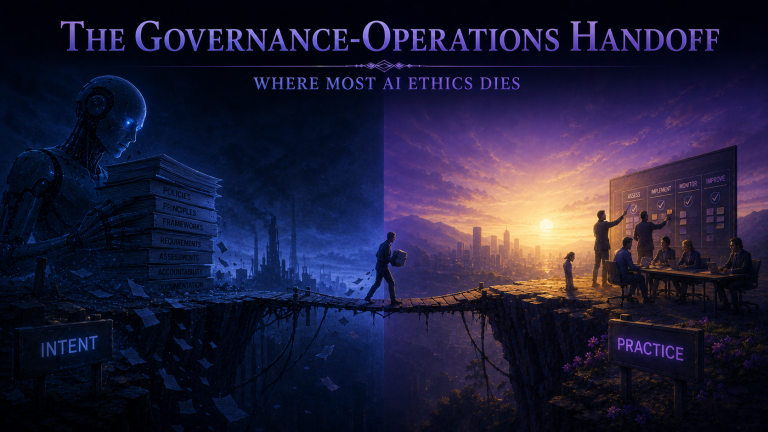
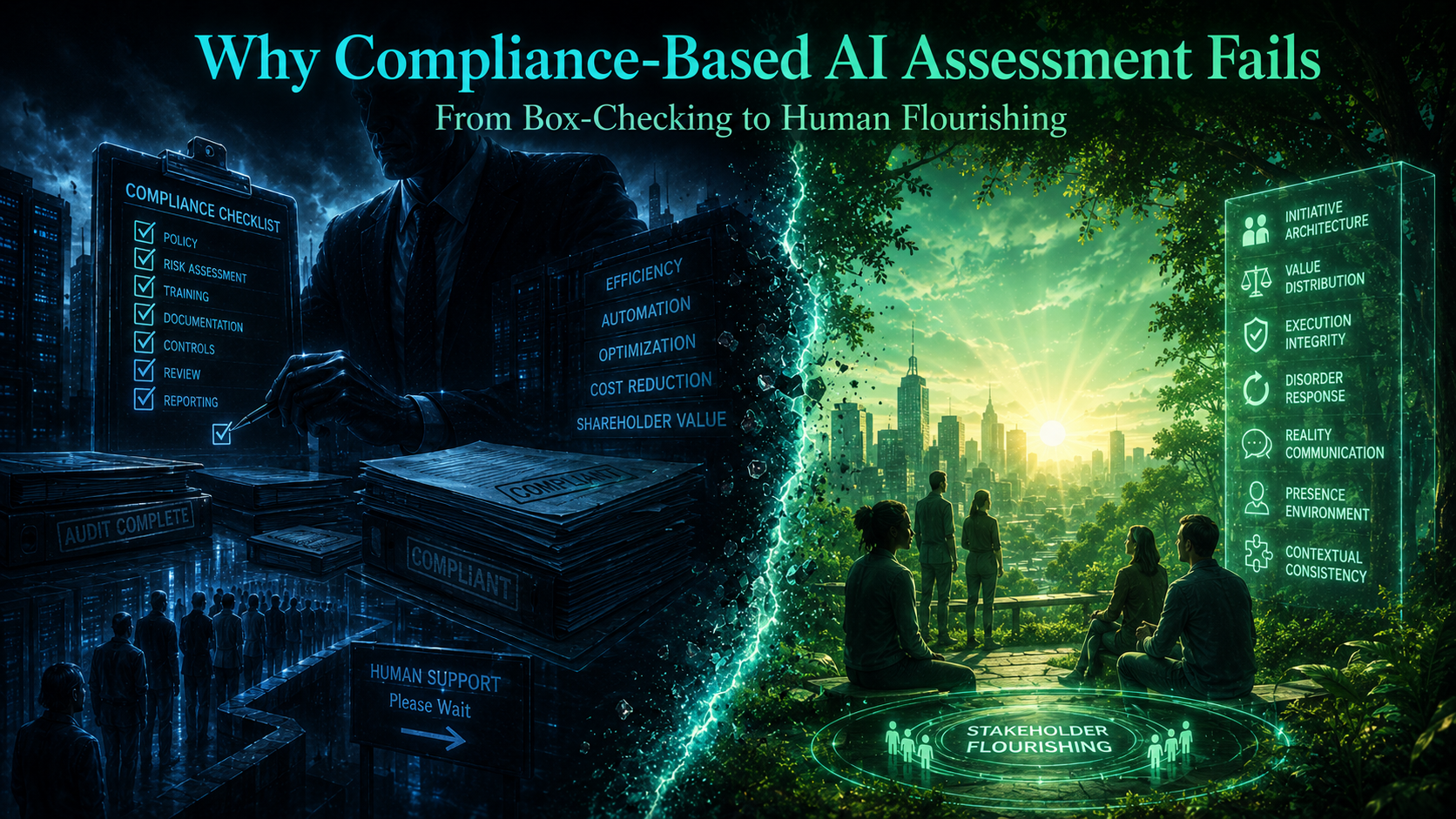
Organizations have developed a comfortable ritual around AI assessment. Auditors arrive with their checklists, documentation is produced from filing cabinets, interviews proceed according to rehearsed scripts, and at the end of the process everyone agrees that governance is functioning adequately. The organization has policies. It follows regulations. It can point to industry practices it has adopted. Boxes have been checked. And yet, throughout this entire performance, the fundamental question remains unasked: Is this organization’s AI actually moving stakeholders toward flourishing, or is it systematically harming the people it affects while everyone congratulates themselves on their compliance?
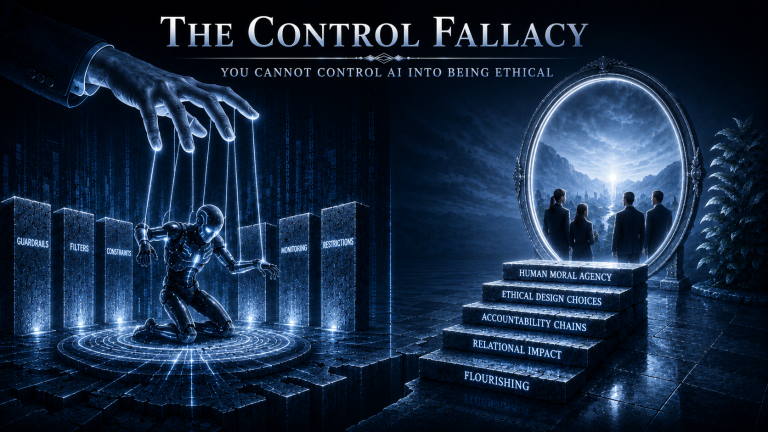
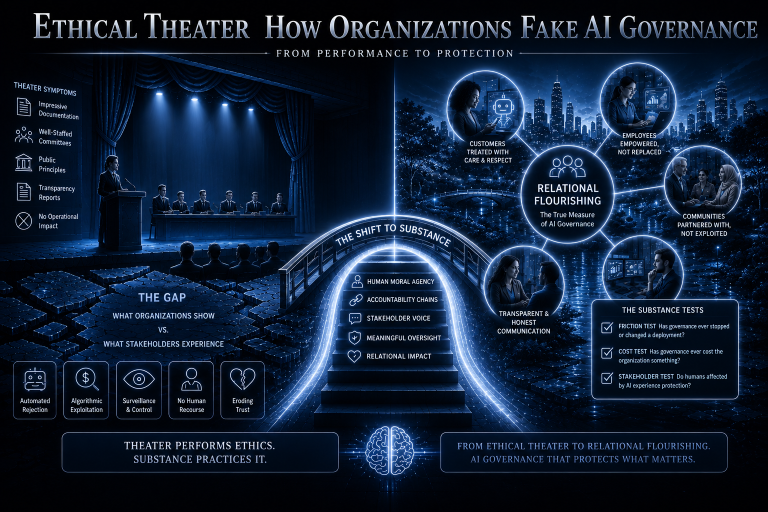
This is the central failure of compliance-based AI assessment. It evaluates process adherence when it should evaluate moral direction. It asks whether organizations follow rules when it should ask whether organizations serve human beings. The result is a form of governance theater that provides comfort without protection, documentation without accountability, and the appearance of ethical practice without its substance.
The Compliance Illusion
Compliance-based assessment operates from a fundamentally flawed premise: that following established procedures produces ethical outcomes. Consider what a typical compliance audit examines. Does the organization have an AI governance policy? Is there a designated responsible party? Has the organization conducted the required risk assessments? Are training records complete? Has the organization implemented recommended technical safeguards? All of these questions can be answered affirmatively by an organization that has designed its AI to systematically shift burden onto stakeholders, extract value while externalizing costs, and avoid moral responsibility for the outcomes it produces.
The problem is not that compliance requirements are wrong in themselves. Policies matter. Risk assessments serve purposes. Training has value. The problem is that these process measures do not and cannot answer the question that actually matters: In which direction is this AI moving the people it affects? An organization can maintain impeccable documentation while its AI creates barriers that prevent customers from accessing services. An organization can complete every required risk assessment while its AI shifts labor from paid employees onto unpaid users. An organization can check every compliance box while its AI generates value that flows entirely to shareholders while stakeholders receive nothing but friction.
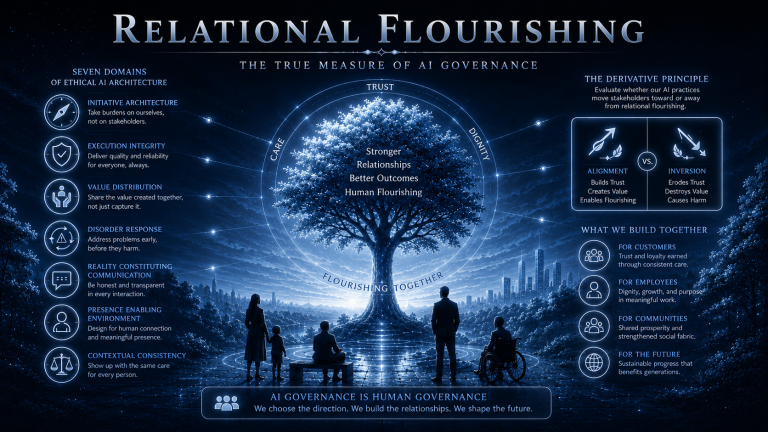
What we established in our exploration of the Derivative Principle becomes critical here: the ethical evaluation of AI requires directional assessment. We must determine whether AI moves stakeholders toward relational flourishing or away from it. This is not a process question. This is a moral question. And compliance-based assessment is constitutionally incapable of addressing it.
Inversion Behind the Compliance Facade
The most sophisticated organizations have learned to maintain perfect compliance scores while practicing systematic inversion across every domain of ethical AI architecture. Consider Initiative Architecture, which we examined earlier in this series. A compliant organization documents its customer service AI, conducts the required assessments, and implements recommended controls. But what does that AI actually do? It may create elaborate phone trees that prevent customers from reaching humans. It may generate responses designed to close tickets rather than solve problems. It may shift the work of service resolution onto customers who must navigate complex self-service portals. All of this can occur within a compliance framework that never asks whether the AI is moving capacity toward stakeholder need or erecting barriers.
The same pattern appears in Value Distribution. A compliant organization can demonstrate that it has policies governing how AI-generated efficiency gains are utilized. It can show board oversight of AI investments. It can produce records of stakeholder communication about AI deployment. None of this ensures that stakeholders receive any benefit from the value AI creates. Efficiency gains flow to the bottom line while customers experience no improvement in service quality, employees face increased workload as AI eliminates support roles, and the communities in which organizations operate absorb the costs of displacement while capturing none of the benefits.
Disorder Response provides perhaps the starkest illustration. Compliance requires incident response procedures, escalation protocols, and documentation of how problems are addressed. But these procedures can be designed to protect organizations rather than serve stakeholders. When AI fails, compliant organizations route complaints through channels that exhaust stakeholder patience, require documentation that shifts burden onto those already harmed, and provide resolutions that minimize organizational cost rather than restore stakeholder wellbeing. The compliance framework cannot distinguish between disorder response that repairs harm and disorder response that compounds it.
The Language of Compliant Harm
Organizations that achieve compliance while practicing inversion develop a distinctive vocabulary that makes harm sound reasonable. They speak of “operational efficiency” when they mean shifting labor onto customers. They celebrate “automation benefits” while ignoring how those benefits are distributed. They discuss “risk mitigation” in terms that protect the organization from liability without considering risk to stakeholders. They describe “stakeholder communication” that consists of disclosure no one reads, consent mechanisms designed to manufacture agreement rather than enable informed choice, and feedback channels that absorb complaints without producing change.
This rationalization language is essential to maintaining compliance while practicing inversion. When assessors accept this language at face value, they become complicit in the organizations’ self-deception. They evaluate whether the organization has “stakeholder engagement processes” without examining whether those processes actually engage stakeholders or merely create documentation of pseudo-engagement. They verify that “risk assessments” were conducted without evaluating whether those assessments considered risk to anyone other than the organization itself. They confirm that “ethical AI principles” exist in policy documents without investigating whether those principles constrain any actual organizational behavior.
Assessment that tells the truth must penetrate this language. It must ask what organizations actually mean when they use these terms. It must test assertions against evidence. It must examine whether documented commitments translate into operational practice. This requires a fundamentally different orientation than compliance assessment provides.
From Compliance to Direction
The AI Governance 360 methodology that we will examine in subsequent posts represents a fundamental departure from compliance-based assessment. Rather than asking whether organizations follow procedures, it asks where organizations are going. Rather than evaluating process adherence, it evaluates moral trajectory. The assessment framework applies the Derivative Principle directly: it determines whether the humans governing AI are moving stakeholders toward relational flourishing or away from it.
This shift requires different questions. Instead of asking whether an AI governance policy exists, directional assessment asks what that policy actually requires and whether those requirements protect stakeholder interests. Instead of verifying that risk assessments were completed, directional assessment examines whose risks were assessed and whose were ignored. Instead of confirming that stakeholder communication occurred, directional assessment evaluates whether that communication enabled genuine understanding or manufactured consent.
Directional assessment also requires different evidence. Documents matter, but they are not dispositive. Policies describe intent; practice reveals reality. Directional assessment triangulates across multiple evidence sources: not just what organizations say about their AI governance, but what they actually do, how stakeholders actually experience their AI, and what operational data reveals about real-world impacts. This triangulation exposes the gaps between organizational self-perception and organizational reality that compliance assessment systematically misses.
Most importantly, directional assessment requires different courage. Compliance assessment produces findings organizations expect: areas where documentation needs improvement, processes that require tightening, training that should be expanded. These findings are comfortable. They suggest managerial tweaks rather than moral reckoning. Directional assessment produces findings that challenge how organizations see themselves. It reveals inversion where organizations believed they were aligned. It exposes self-deception that organizations have successfully maintained. It names harm that organizations have rationalized. Delivering these findings requires assessors willing to tell truth that organizations do not want to hear.
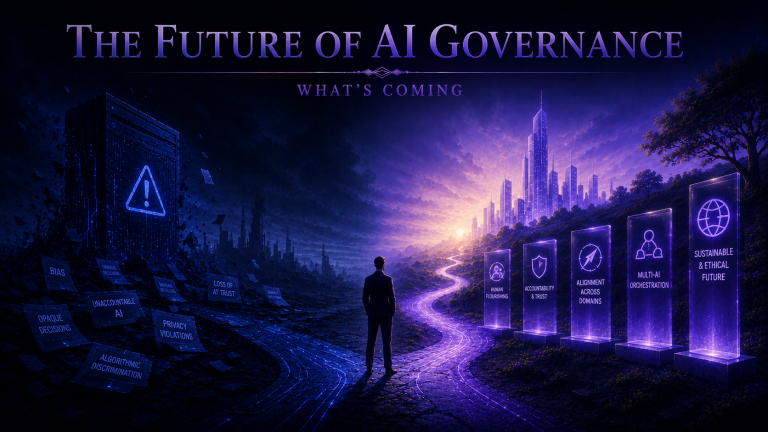
The assessment exists to serve stakeholders affected by organizational AI, not to comfort the organizations being assessed. If compliance-based assessment has become governance theater, directional assessment is governance reality. The following posts in this series will explore how to conduct it, how to score it, and how to deliver its findings with the clarity and courage that stakeholder protection demands.