AI Series

AI Series

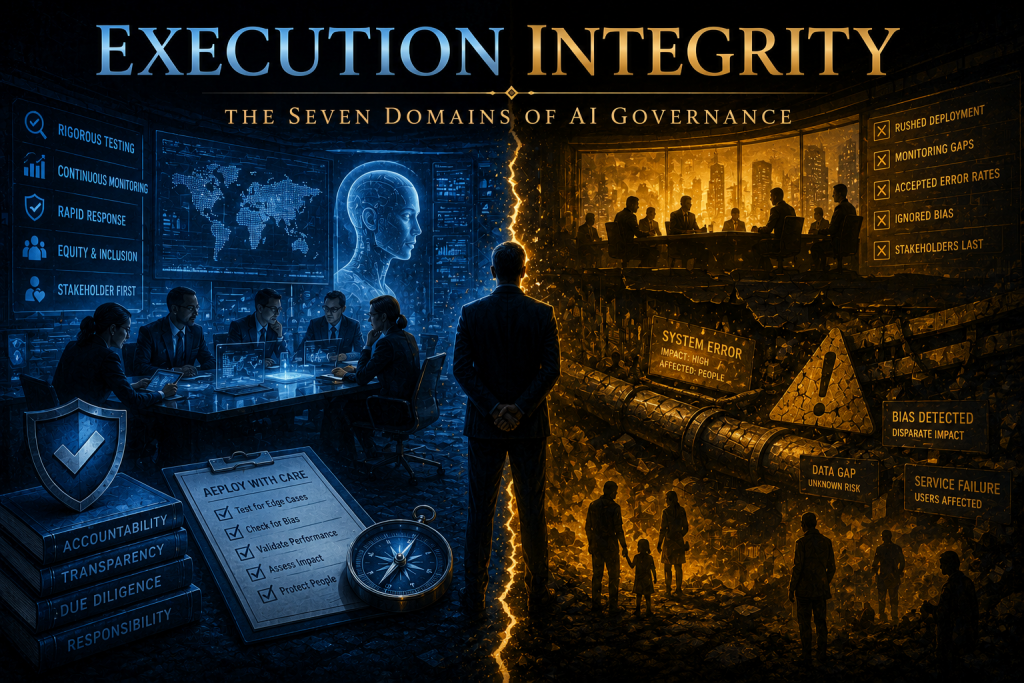
Execution Integrity: Why How You Deploy AI Reveals Who You Think Matters

There is a particular kind of organizational dishonesty that manifests not in what companies say but in what they do. An organization can proclaim commitment to customer experience while deploying AI systems riddled with preventable errors. It can announce dedication to stakeholder welfare while accepting failure rates that would be intolerable if executives experienced them. […]

AI Series

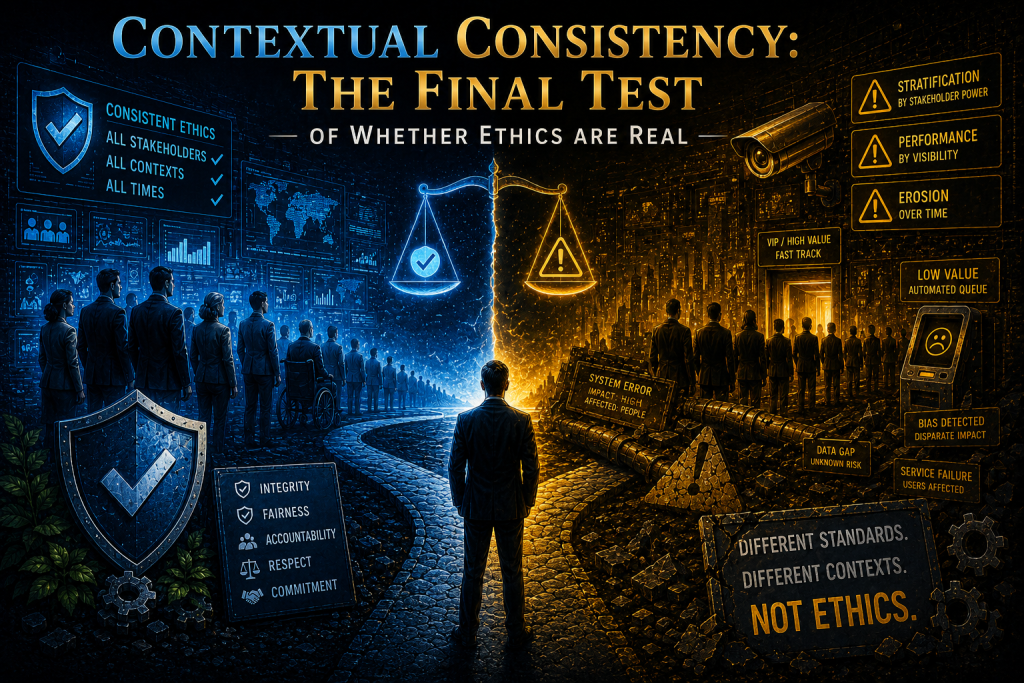
Contextual Consistency: The Final Test of Whether Ethics Are Real

Everyone behaves well when watched. The true test of character is conduct when no one observes, when accountability is absent, when shortcuts would go unnoticed. Organizations face this test constantly. They can maintain ethical standards regardless of context, or they can perform ethics where visible while abandoning them where hidden. The choice reveals whether organizational

AI Series

Initiative Architecture: Why the Direction of Burden Reveals the Direction of Ethics

The language of customer service has become a masterwork of corporate euphemism. “Self-service portals” that force customers to navigate byzantine systems. “Intelligent routing” that ensures callers exhaust themselves before reaching a human. “Automated assistance” that exists primarily to deflect rather than serve. Organizations celebrate these innovations as improvements in efficiency, but efficiency for whom? The

AI Series

The Derivative Principle: Why Direction Matters More Than Maturity

Traditional governance frameworks love maturity models. Level 1 through Level 5. Initial, Developing, Defined, Managed, Optimizing. Organizations benchmark themselves, identify gaps, create roadmaps to higher maturity. Consultants build practices around assessing current levels and charting paths forward. The implicit assumption is clear: higher maturity means better governance, and the goal is ascending the hierarchy toward

AI Series

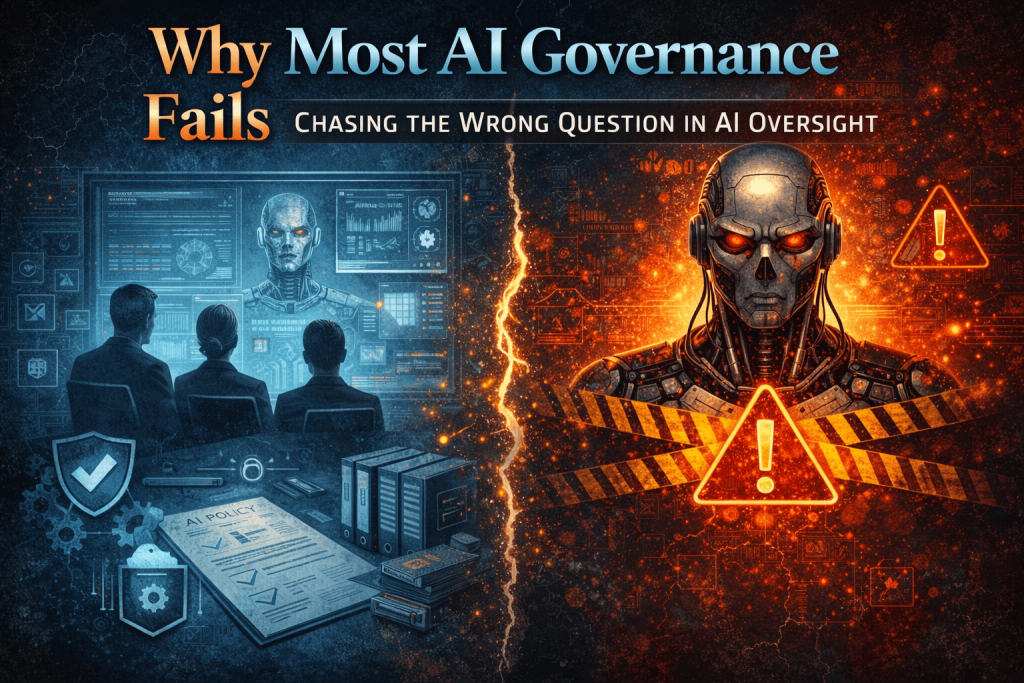
Why Most AI Governance Fails

Organizations around the world are pouring resources into AI governance frameworks. They hire consultants, establish ethics committees, deploy bias detection tools, and produce impressive documentation. Yet when their AI systems harm stakeholders, when discriminatory patterns emerge, when trust erodes between organizations and the people they serve, these governance frameworks consistently fail to prevent the damage.

Scroll to Top
0