Author name: Business Tech Ninjas

PHASE 2: The Seven Domains Series

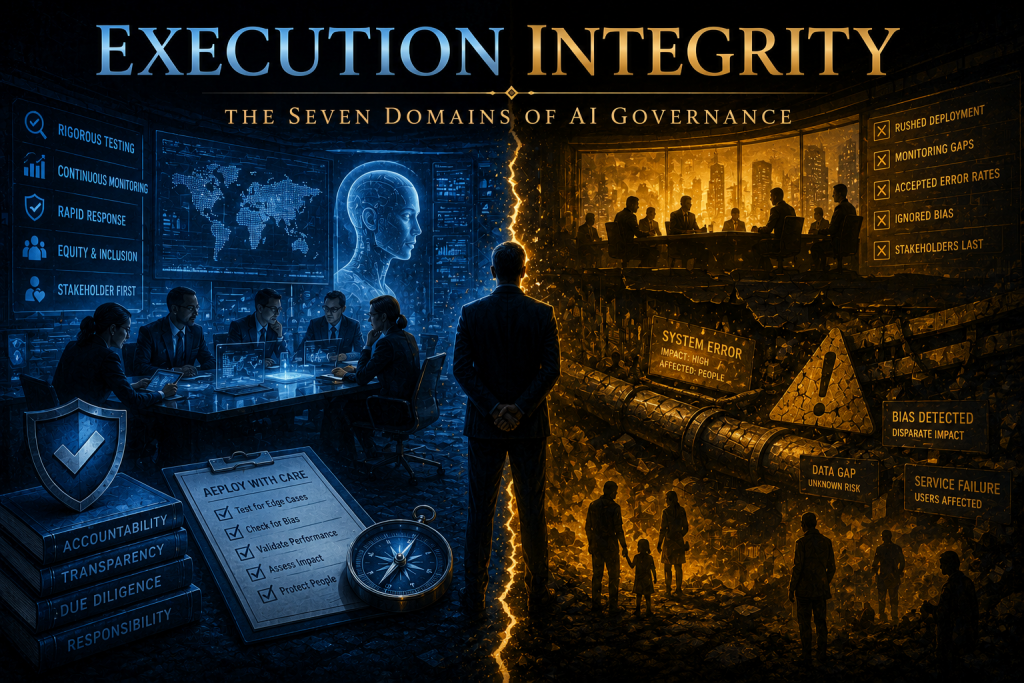
Execution Integrity: Why How You Deploy AI Reveals Who You Think Matters

There is a particular kind of organizational dishonesty that manifests not in what companies say but in what they do. An organization can proclaim commitment to customer experience while deploying AI systems riddled with preventable errors. It can announce dedication to stakeholder welfare while accepting failure rates that would be intolerable if executives experienced them. […]

PHASE 2: The Seven Domains Series

Initiative Architecture: Why the Direction of Burden Reveals the Direction of Ethics

The language of customer service has become a masterwork of corporate euphemism. “Self-service portals” that force customers to navigate byzantine systems. “Intelligent routing” that ensures callers exhaust themselves before reaching a human. “Automated assistance” that exists primarily to deflect rather than serve. Organizations celebrate these innovations as improvements in efficiency, but efficiency for whom? The

PHASE 1: Establishing the Foundation

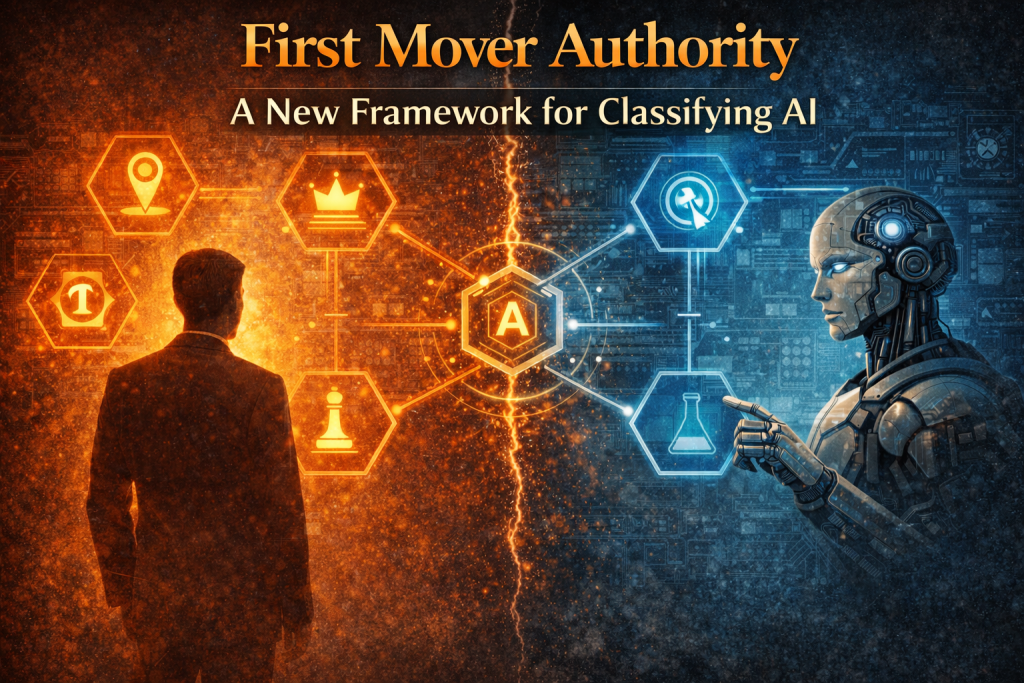
First Mover Authority: A New Framework for Classifying AI

Throughout this series, we have developed a comprehensive framework for AI governance grounded in human moral agency. We established that AI lacks moral agency and always will. We distinguished AI as tool from AI as role, with the shift creating critical governance requirements. We explored the Vacancy Problem, the Derivative Principle, the Two Conditions for

PHASE 1: Establishing the Foundation

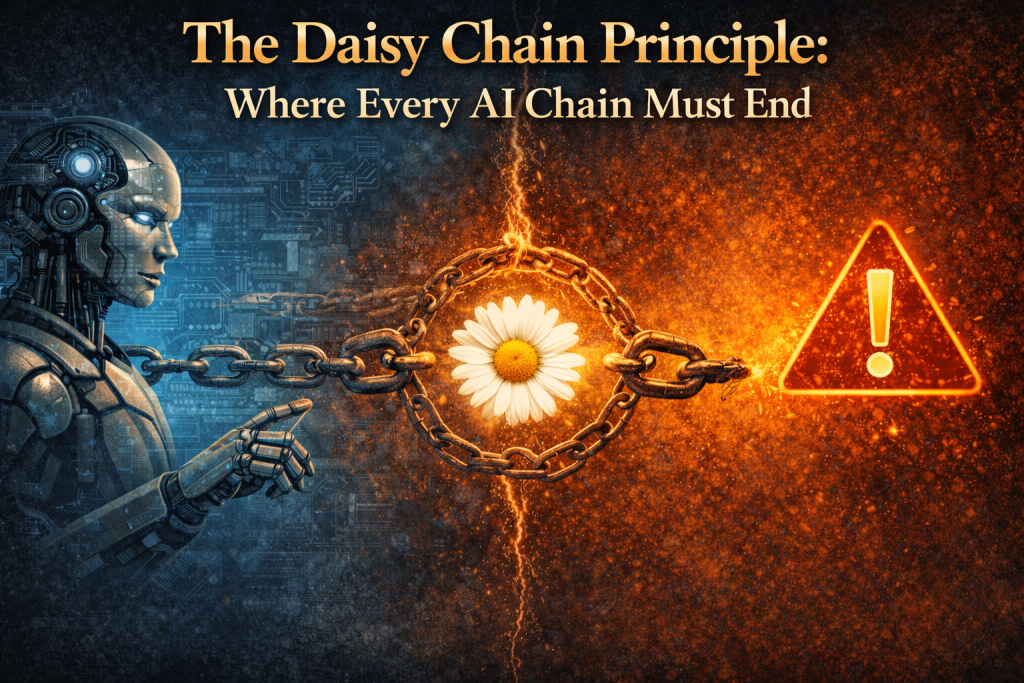
The Daisy Chain Principle: Where Every AI Chain Must End

Modern AI deployments increasingly involve chains. A job applicant submits a resume. An AI system parses the document and extracts structured data. That data flows to an AI screening system that evaluates qualifications against job requirements. The screening output feeds an AI ranking system that positions the candidate against others. The ranking flows to an

PHASE 1: Establishing the Foundation

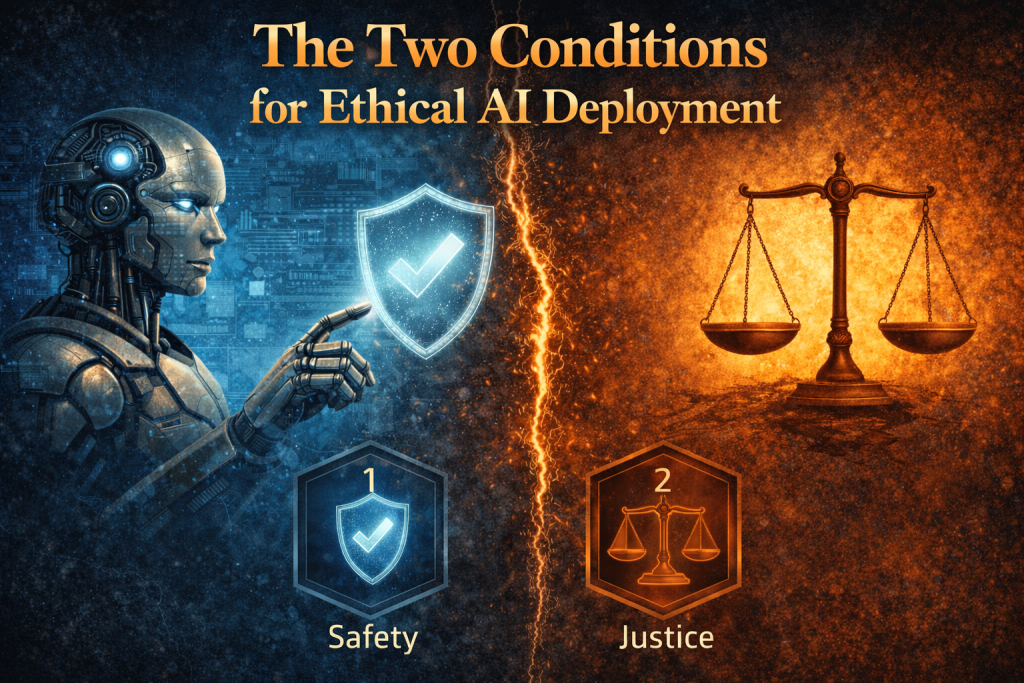
The Two Conditions for Ethical AI Deployment

Throughout this series, we have established foundational principles for AI governance. AI lacks moral agency and always will. The governance question concerns how humans exercise moral agency through AI systems, not how to control AI behavior. The critical trigger is when AI shifts from tool to role. The Vacancy Problem emerges when AI fills positions

PHASE 1: Establishing the Foundation

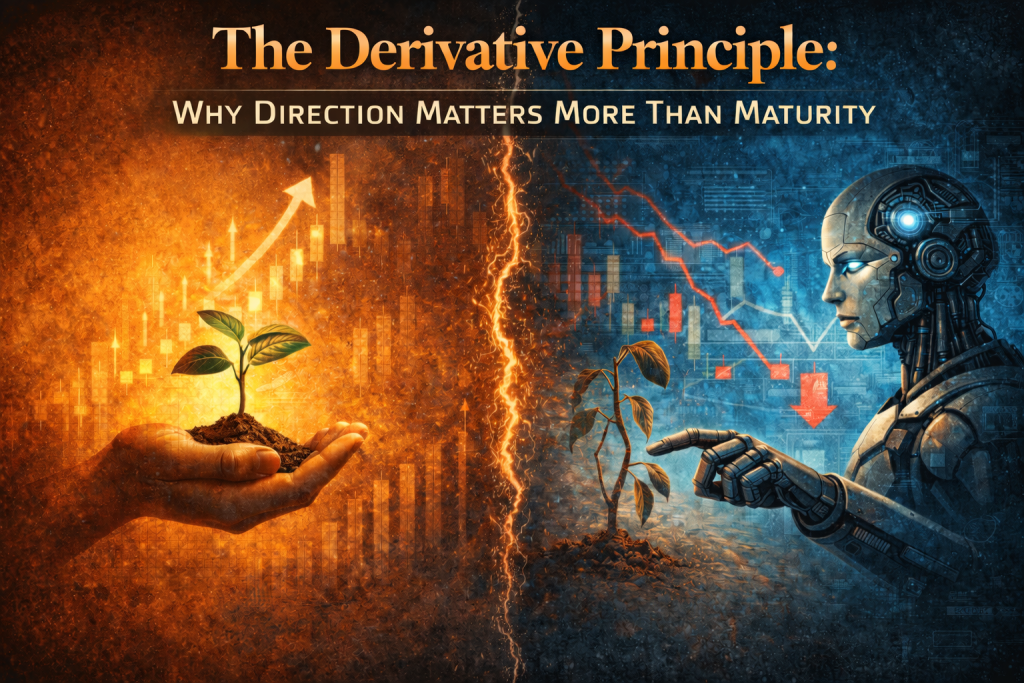
The Derivative Principle: Why Direction Matters More Than Maturity

Traditional governance frameworks love maturity models. Level 1 through Level 5. Initial, Developing, Defined, Managed, Optimizing. Organizations benchmark themselves, identify gaps, create roadmaps to higher maturity. Consultants build practices around assessing current levels and charting paths forward. The implicit assumption is clear: higher maturity means better governance, and the goal is ascending the hierarchy toward

PHASE 1: Establishing the Foundation

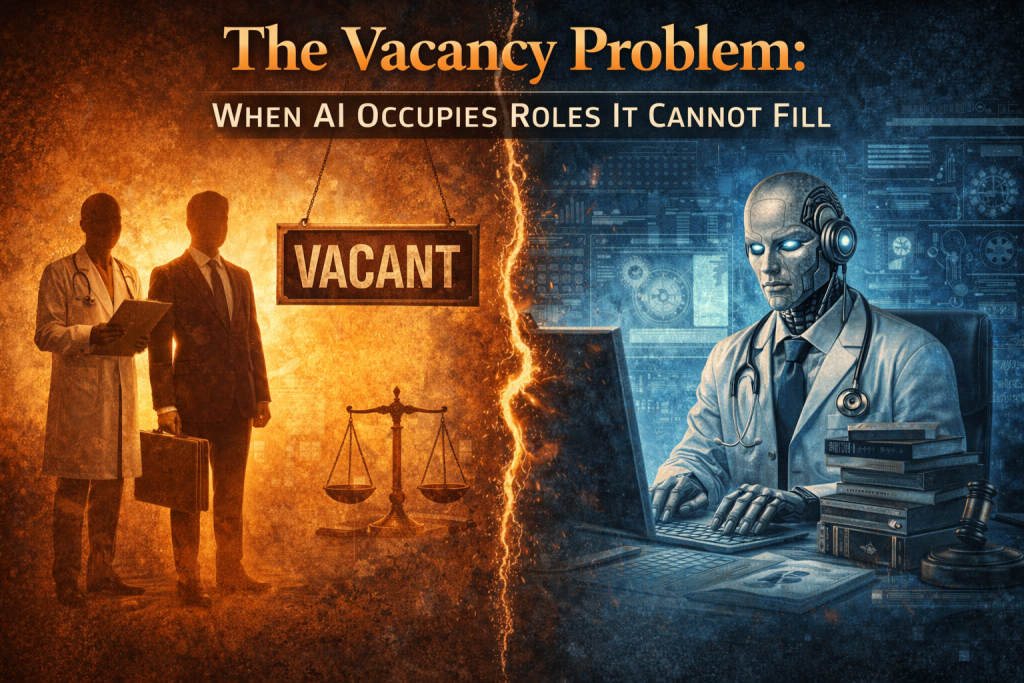
The Vacancy Problem: When AI Occupies Roles It Cannot Fill

Imagine calling a customer service line and reaching an AI system so sophisticated that you cannot tell, at least initially, that you are not speaking with a human. The AI answers your questions, processes your request, expresses sympathy for your frustration, apologizes for any inconvenience. It performs the functions of a customer service representative with

PHASE 1: Establishing the Foundation

Why Most AI Governance Fails

Organizations around the world are pouring resources into AI governance frameworks. They hire consultants, establish ethics committees, deploy bias detection tools, and produce impressive documentation. Yet when their AI systems harm stakeholders, when discriminatory patterns emerge, when trust erodes between organizations and the people they serve, these governance frameworks consistently fail to prevent the damage.

PHASE 1: Establishing the Foundation

What Is Moral Agency and Why AI Will Never Have It

What Is Moral Agency and Why AI Will Never Have It Much of the confusion in contemporary AI governance stems from a fundamental philosophical error: treating intelligence as if it were equivalent to moral agency. We observe AI systems that can process vast information, generate sophisticated outputs, reason through complex problems, and even articulate ethical

Scroll to Top
0