Author name: Business Tech Ninjas

AI Series

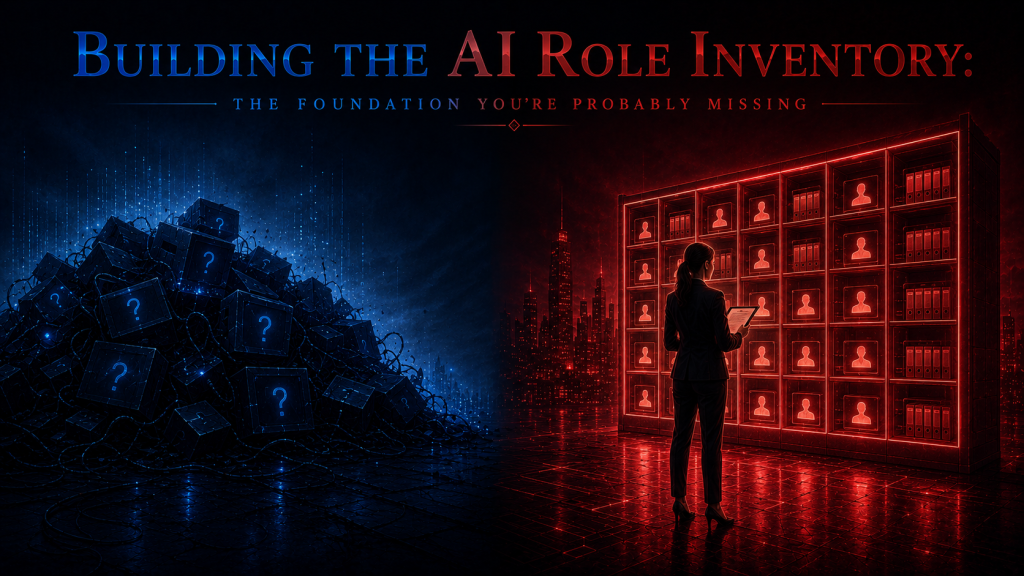
Building the AI Role Inventory: The Foundation You’re Probably Missing

You cannot govern what you have not identified. This principle, obvious when stated, is routinely violated by organizations attempting AI governance. They create policies, establish committees, and build frameworks while lacking comprehensive understanding of where AI actually operates within their enterprise. Their governance applies to systems they happen to know about while missing systems proliferating […]
AI Series

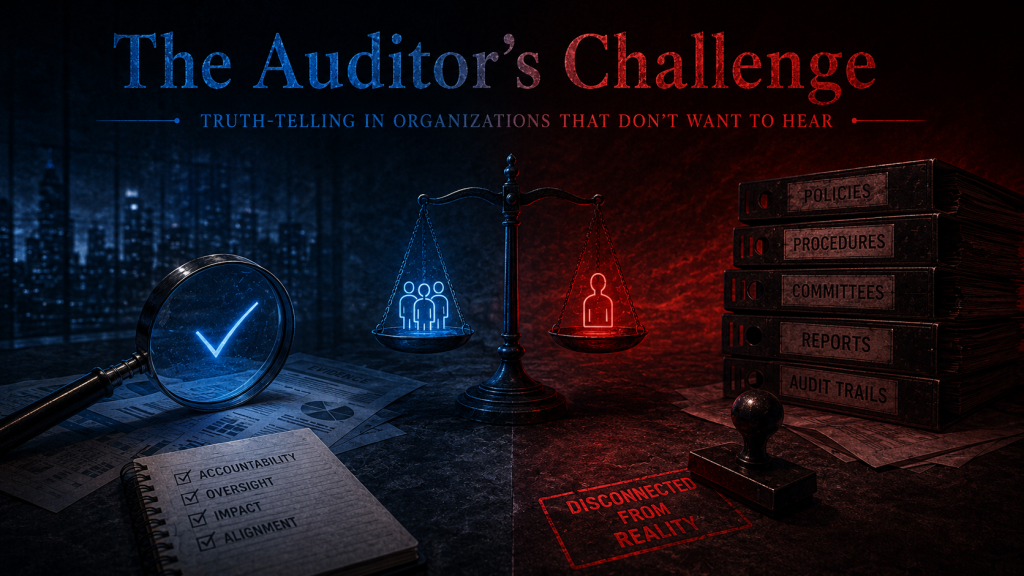
The Auditor’s Challenge: Truth-Telling in Organizations That Don’t Want to Hear

Most AI assessments ask the wrong questions. They ask whether AI is technically sound: does it perform as specified, operate within parameters, produce consistent outputs? They ask whether the organization follows industry practices: governance documentation, periodic reviews, audit trails? They ask whether processes exist: policies, committees, approval workflows? These questions can all be answered affirmatively

AI Series

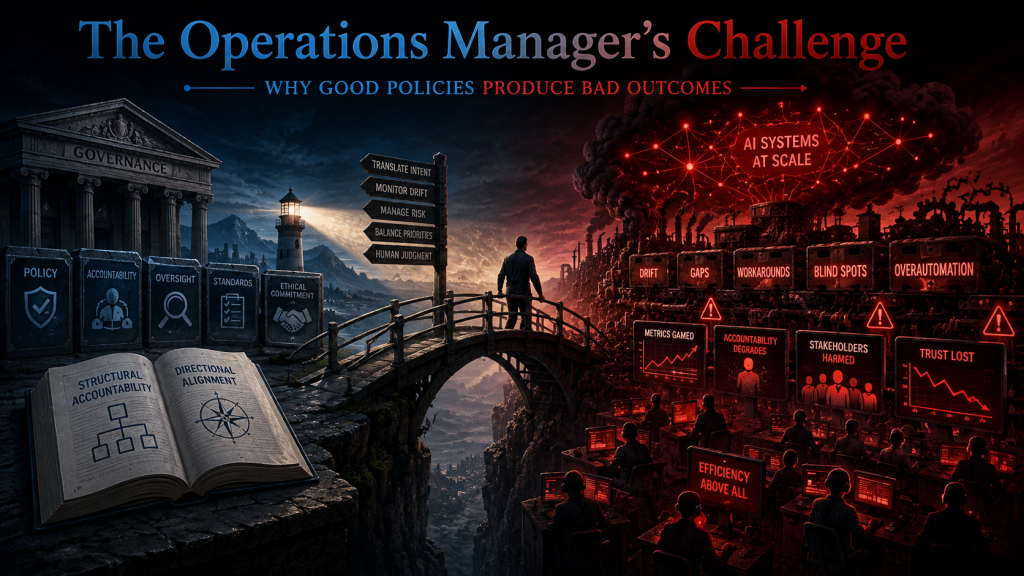
The Operations Manager’s Challenge: Why Good Policies Produce Bad Outcomes

An organization can have exemplary governance policies, sophisticated accountability structures, genuine ethical commitment at the leadership level, and still produce AI deployments that systematically harm stakeholders. The gap between governance intent and operational reality is where most AI ethics fails. Governance professionals can build perfect architectures, but those architectures remain aspirational until operations managers translate

AI Series

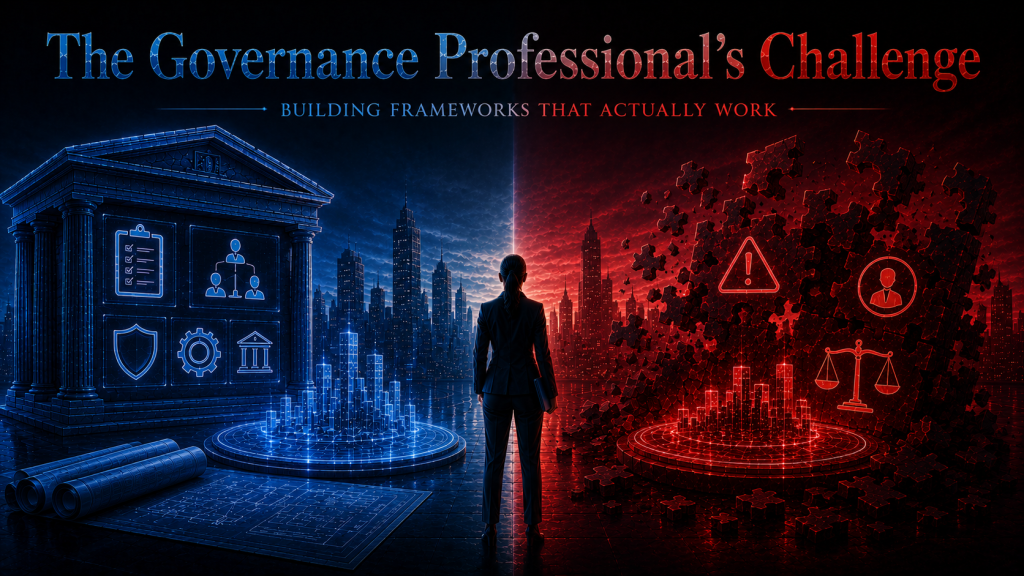
The Governance Professional’s Challenge: Building Frameworks That Actually Work

Most AI governance frameworks fail. They fail not because they are poorly written but because they treat governance as documentation rather than architecture. The organization commissions a framework. Consultants draft policies covering bias, transparency, accountability, privacy. Documents are reviewed, approved, and published. Then they sit in repositories, occasionally referenced when someone asks whether the organization

AI Series

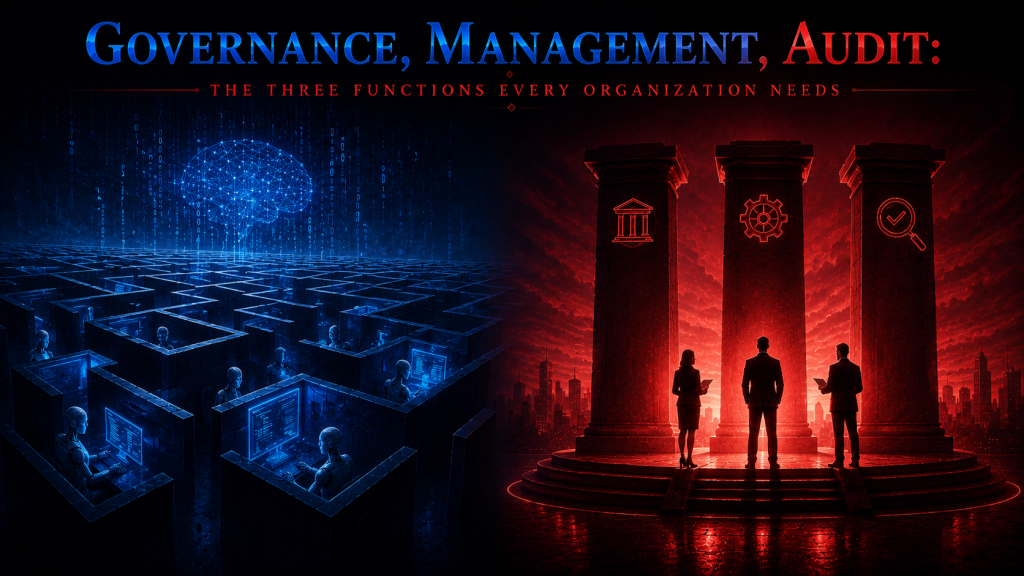
Governance, Management, Audit: The Three Functions Every Organization Needs

The governance theater that dominates most organizations follows a predictable script. Leadership announces an AI governance initiative. Consultants produce frameworks. Policies appear in document repositories. The organization declares itself governed. Then nothing changes in how AI actually operates, affects stakeholders, or produces outcomes. The policies exist; the governance does not. This failure is structural. Organizations

AI Series

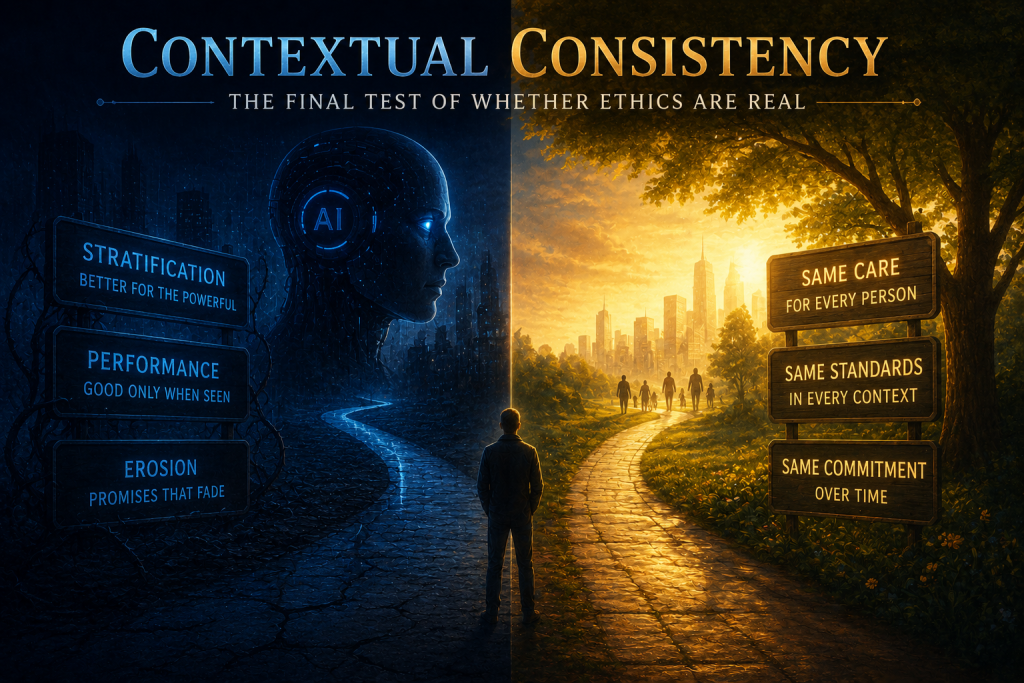
Contextual Consistency: The Final Test of Whether Ethics Are Real

Everyone behaves well when watched. The true test of character is conduct when no one observes, when accountability is absent, when shortcuts would go unnoticed. Organizations face this test constantly. They can maintain ethical standards regardless of context, or they can perform ethics where visible while abandoning them where hidden. The choice reveals whether organizational

AI Series

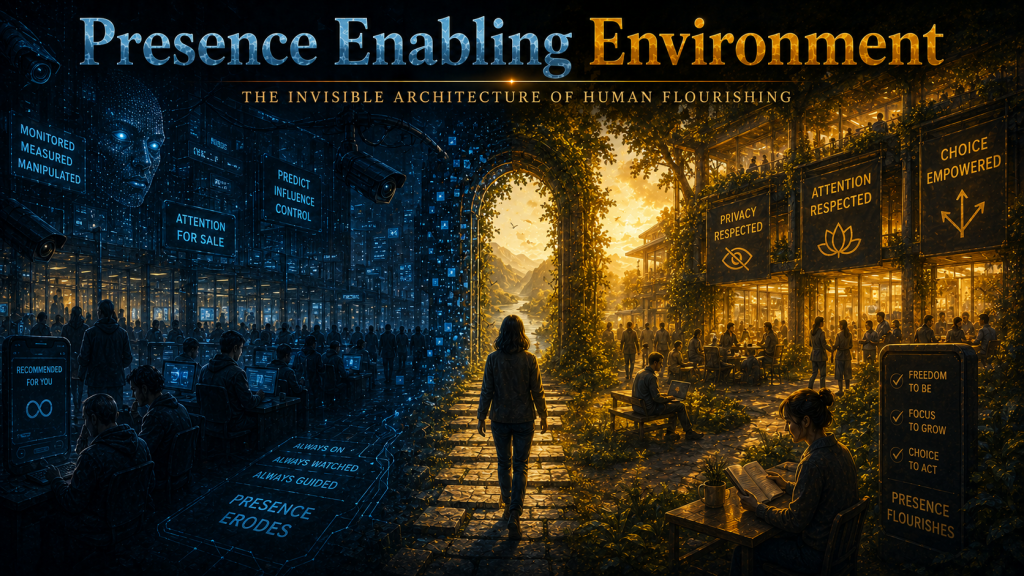
Presence Enabling Environment: The Invisible Architecture of Human Flourishing

Fish do not notice water. Humans do not notice environment until it constrains them. This invisibility makes environmental influence particularly powerful. The conditions shaping human experience operate beneath conscious awareness, facilitating flourishing or degrading it without those affected recognizing the source. AI systems increasingly constitute significant features of human environments. They shape workplaces where employees

AI Series

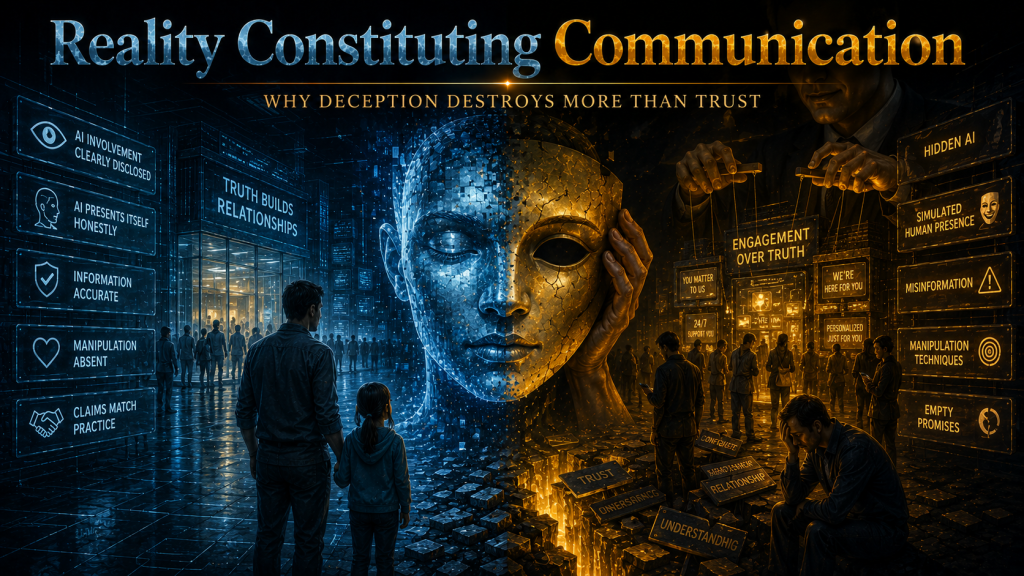
Reality Constituting Communication: Why Deception Destroys More Than Trust

Human relationships depend on shared reality. We coordinate our lives, make joint decisions, and build common futures on the foundation of honest communication. When that foundation cracks through deception, something more fundamental than trust breaks. The capacity for relationship itself degrades because relationship requires shared understanding that deception makes impossible. This fifth examination in the

AI Series

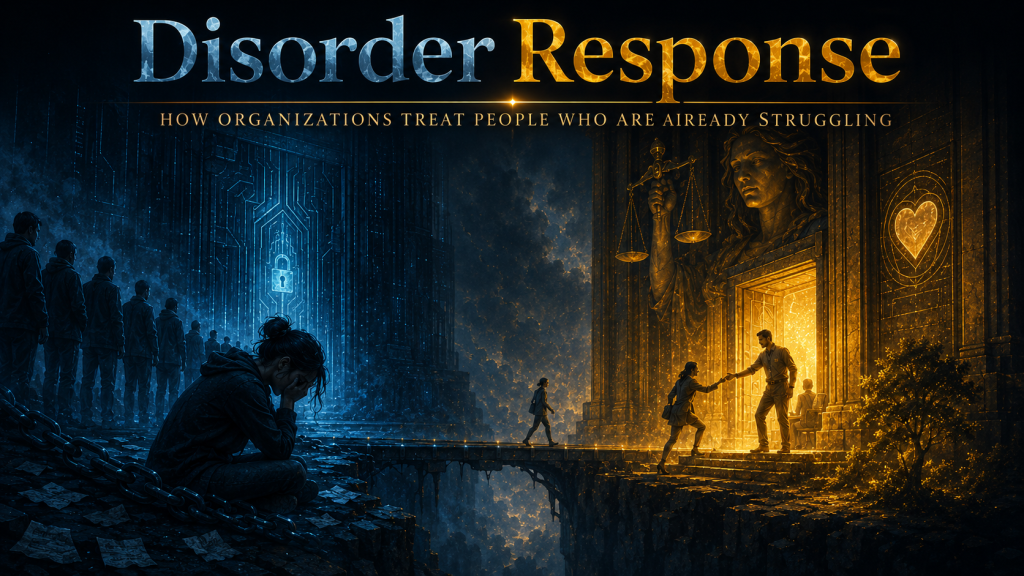
Disorder Response: How Organizations Treat PeopleWho Are Already Struggling

Every organization eventually encounters stakeholders in distress. The customer whose order went wrong. The patient whose treatment produced complications. The employee whose circumstances became difficult. These moments of disorder reveal organizational character more reliably than any carefully crafted interaction because they occur when stakeholders are already vulnerable and organizations face real costs to respond well.

AI Series

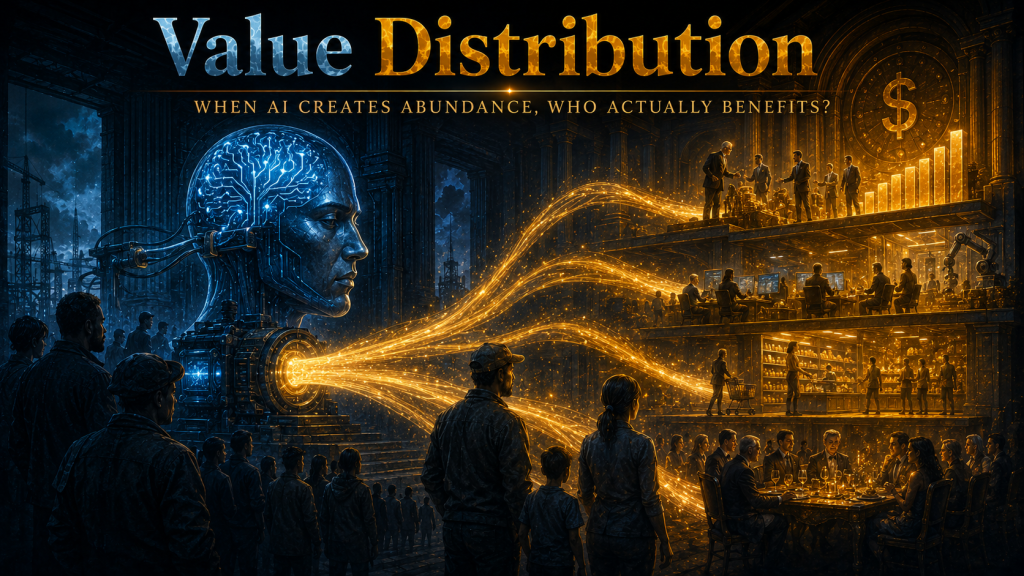
Value Distribution: When AI Creates Abundance, Who Actually Benefits?

The promises of AI have centered on productivity. Efficiency gains transforming operations. Cost reductions reshaping industries. Capability expansions enabling the previously impossible. These promises have increasingly proven accurate. AI does generate tremendous value through automation and optimization. The question organizations rarely answer honestly is simpler: when AI creates this value, who actually receives it? This

Scroll to Top
0