AI Series

AI Series

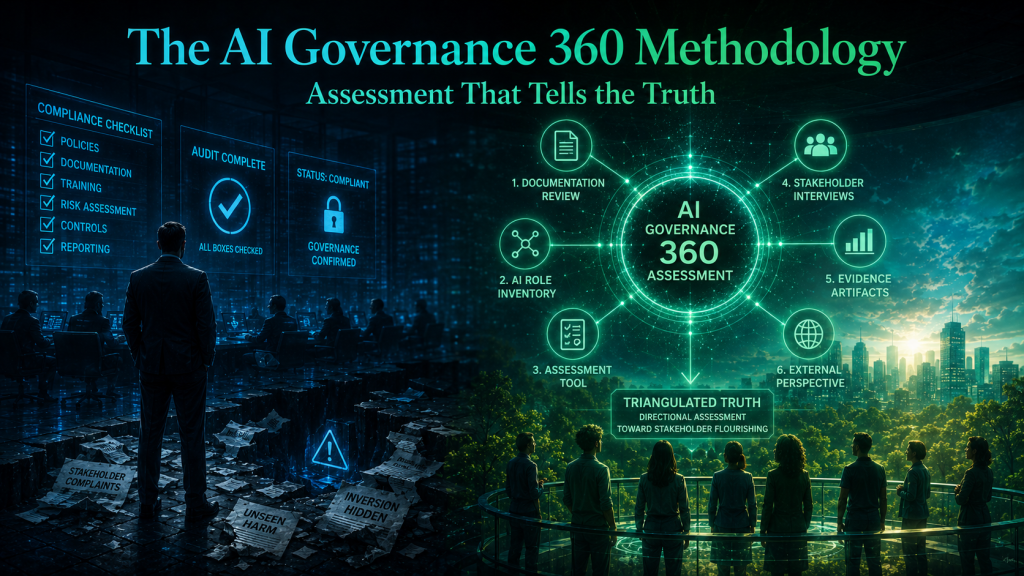
The AI Governance 360 Methodology: Assessment That Tells the Truth

Most organizations believe they govern AI ethically. They point to policies, cite compliance records, and reference the absence of scandal as evidence of their alignment. When assessment relies solely on organizational self-report, these beliefs remain unchallenged. Documents are produced. Interviews proceed according to comfortable scripts. Everyone agrees that governance is functioning. But beneath this polished […]
AI Series

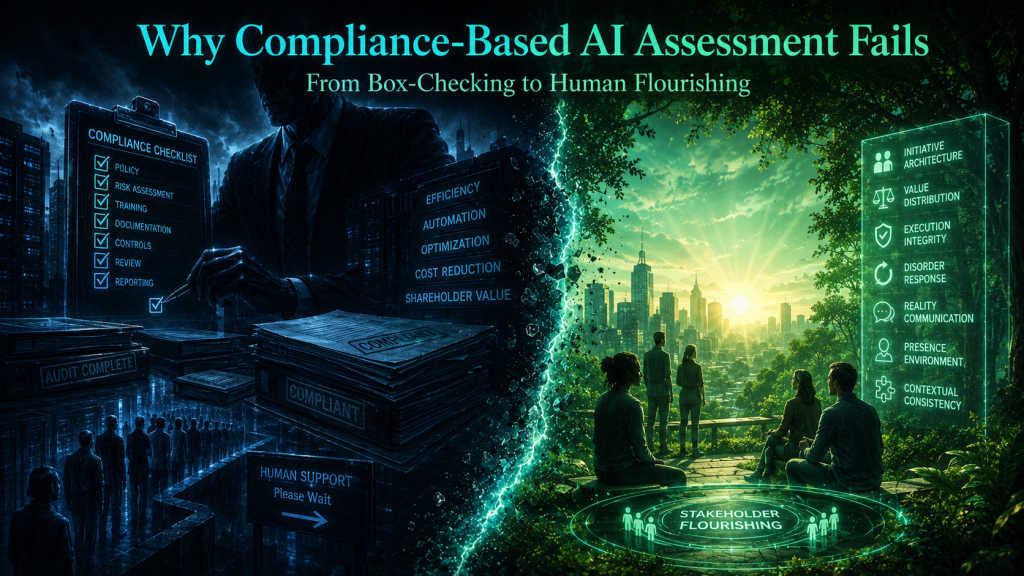
Why Compliance-Based AI Assessment Fails

Organizations have developed a comfortable ritual around AI assessment. Auditors arrive with their checklists, documentation is produced from filing cabinets, interviews proceed according to rehearsed scripts, and at the end of the process everyone agrees that governance is functioning adequately. The organization has policies. It follows regulations. It can point to industry practices it has

AI Series

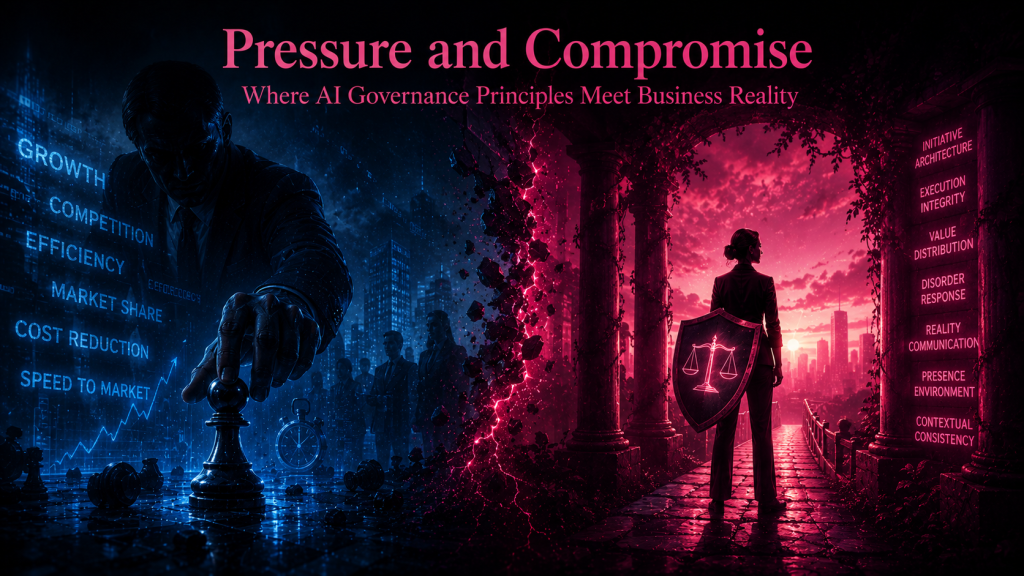
Pressure and Compromise: Where AI Governance Principles Meet Business Reality

The Constant Push Against Standards Every governance framework encounters pressure. Competitive dynamics demand faster deployment. Cost constraints require efficiency gains. Growth targets push for expanded automation. Technical teams advocate for capabilities that governance hesitates to approve. Business sponsors emphasize revenue opportunities while minimizing risk concerns. This pressure is not occasional. It is constant. And it

AI Series

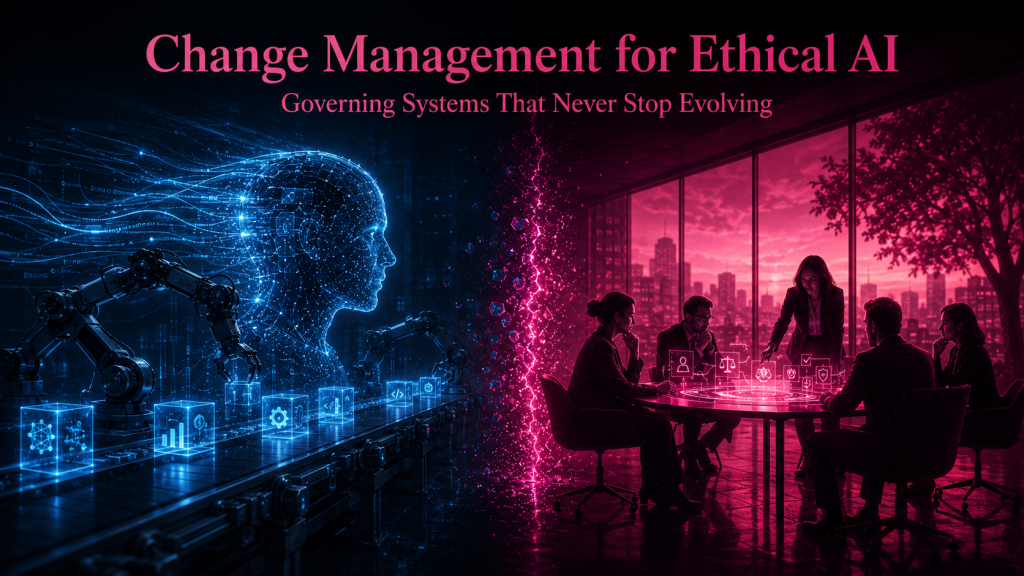
Change Management for Ethical AI: Governing Systems That Never Stop Evolving

The Myth of the Stable System AI systems change constantly. Models update as new training data becomes available. Features expand to address additional use cases. Integrations multiply as AI connects with more organizational systems. Parameters adjust through optimization processes that run continuously. The AI system that was reviewed and approved at deployment is not the

AI Series

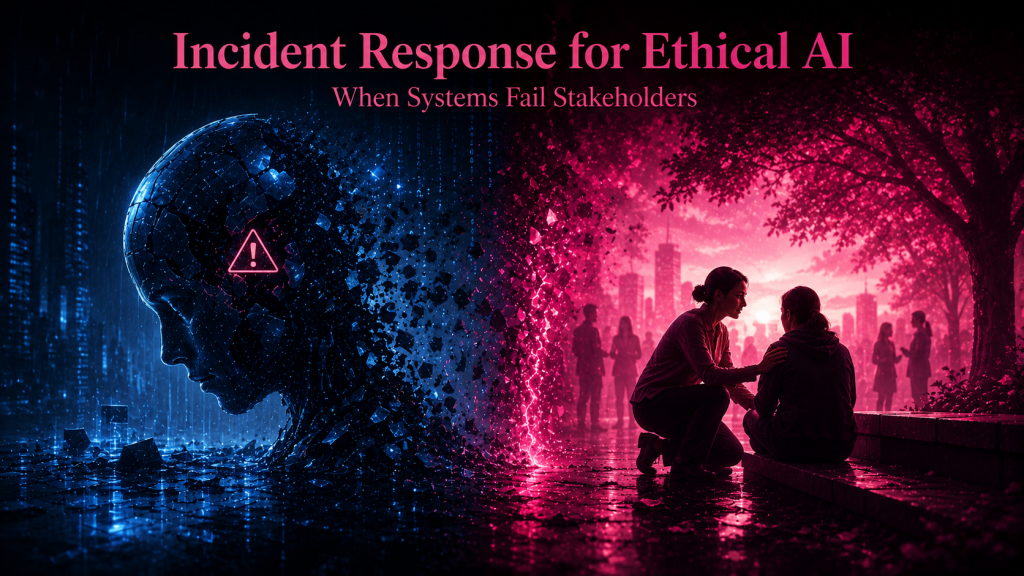
Incident Response for Ethical AI: When Systems Fail Stakeholders

The Inevitability of Ethical Failure AI ethical failures will occur. This is not pessimism. It is operational realism. Systems operating at scale across diverse contexts will inevitably produce outcomes that harm stakeholders in ways that governance frameworks were designed to prevent. Models will make biased predictions affecting vulnerable populations. Automation will execute consequential decisions without

AI Series

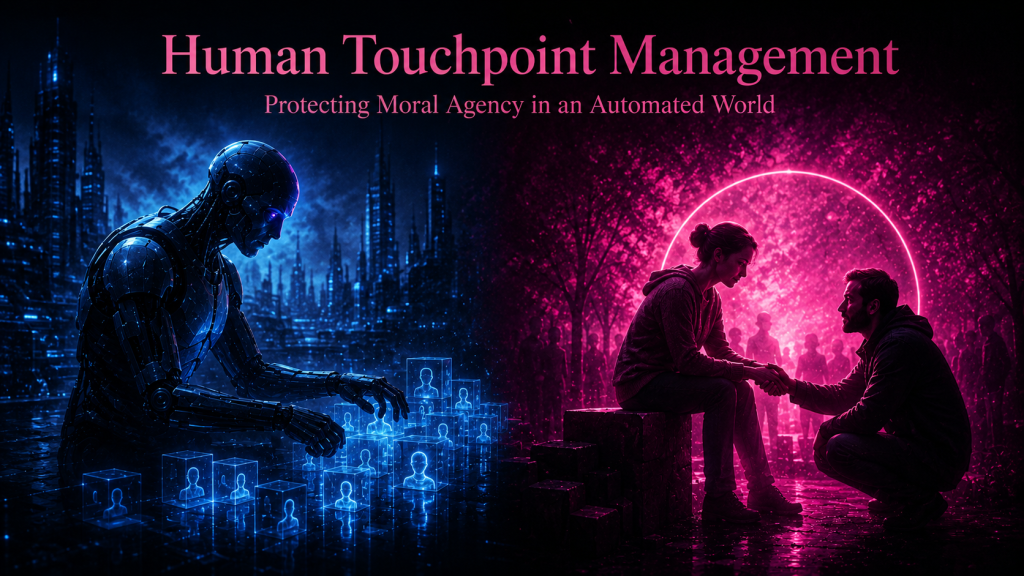
Human Touchpoint Management: Protecting Moral Agency in an Automated World

The Paradox of Expanding Automation As AI capabilities expand, human touchpoints become simultaneously more important and harder to maintain. The same efficiency gains that justify AI deployment create pressure to reduce human involvement. The same volume that AI handles creates scale that makes human review impractical. The same cost savings that AI generates make human

AI Series

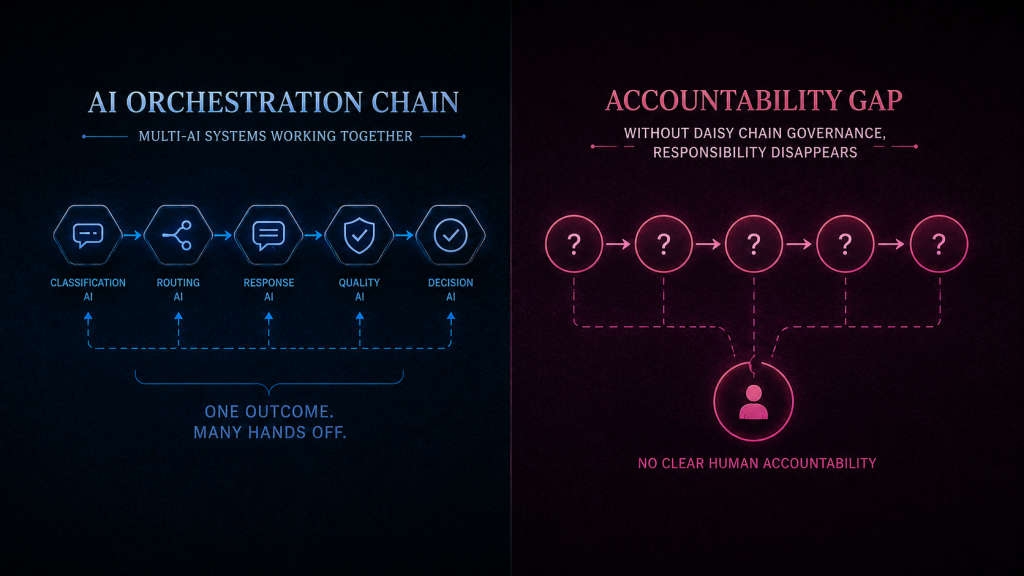
Managing AI Chains: Why Multi-AI Orchestration Demands New Accountability Structures

The Orchestration Revolution and Its Governance Void The AI landscape has evolved beyond isolated deployments. Organizations increasingly deploy multi-AI architectures where AI systems coordinate with other AI systems in chains of automated decisions. A customer inquiry triggers a classification AI, which routes to a response generation AI, which drafts output reviewed by a quality assurance

AI Series

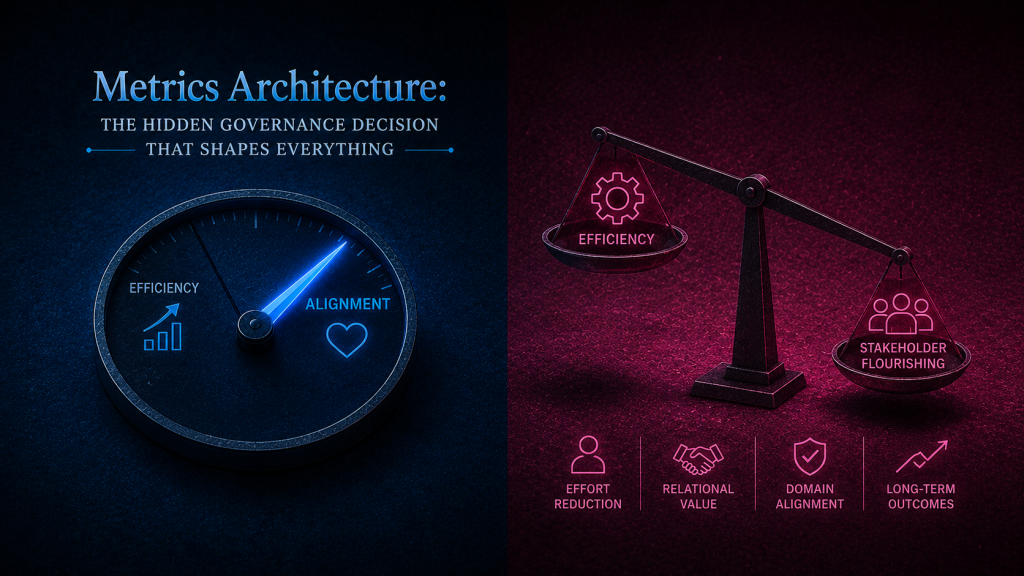
Metrics Architecture: The Hidden Governance Decision That Shapes Everything

The Tyranny of What Gets Measured Organizations become what they measure. This principle, familiar from general management theory, carries particular weight in AI governance. The metrics an organization selects to evaluate AI deployments do not merely reflect organizational values; they actively shape them. A customer service AI measured on deflection rates will deflect. One measured

AI Series

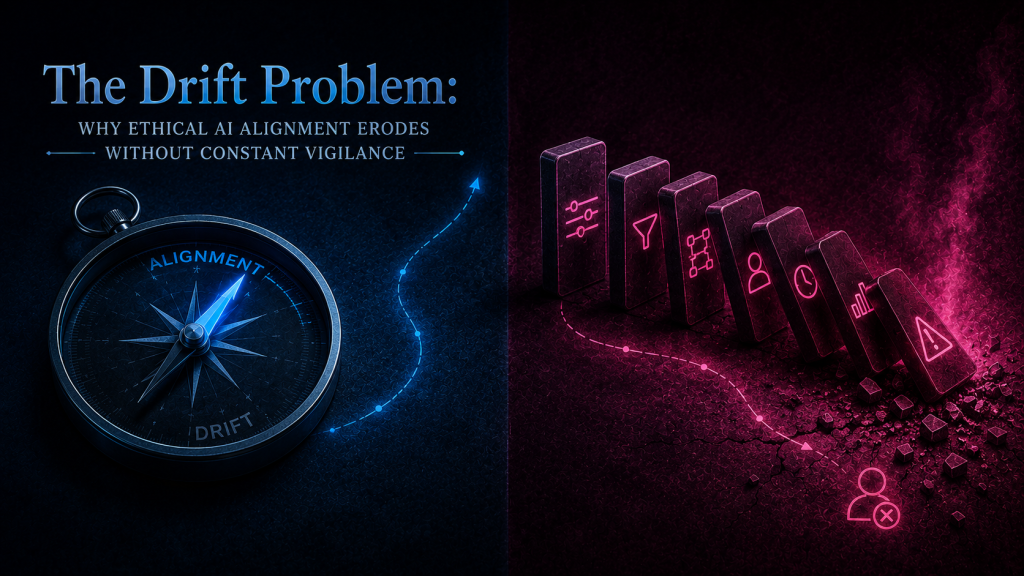
The Drift Problem: Why Ethical AI Alignment Erodes Without Constant Vigilance

The Illusion of Launch-Day Alignment Organizations celebrate when an AI deployment passes ethical review. The governance frameworks were consulted. The Seven Domains were assessed. Human touchpoints were designed. Accountability chains were documented. The system launched in a state of alignment, moving stakeholders toward flourishing rather than away from it. And then, quietly, imperceptibly, it began

AI Series

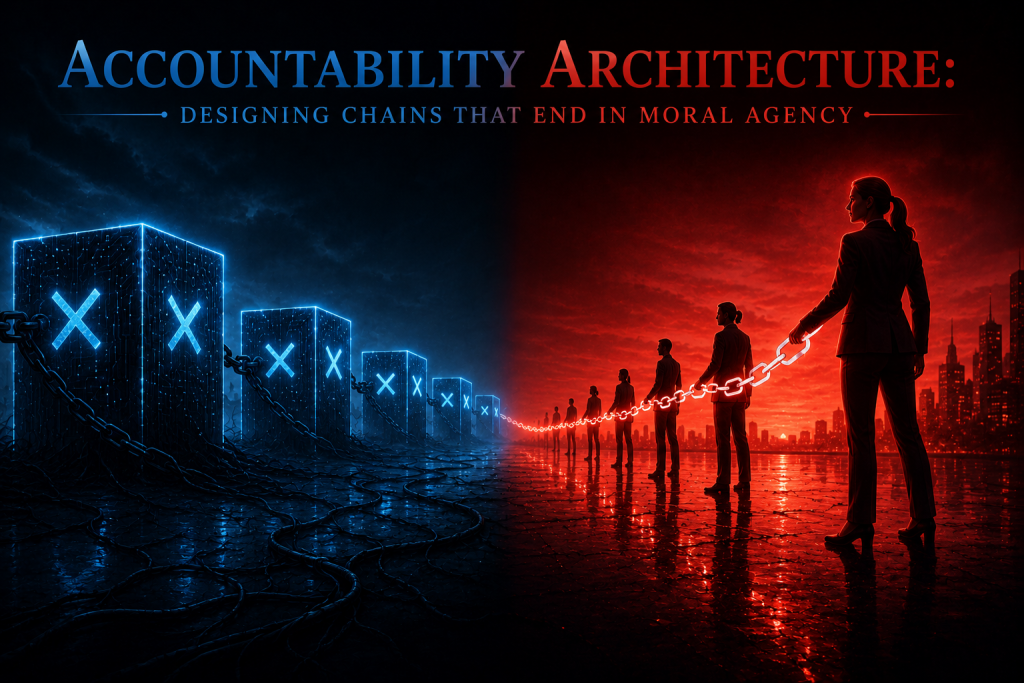
Accountability Architecture: Designing Chains That End in Moral Agency

Accountability architecture ensures that clear chains of responsibility connect every AI output to human moral agents who actually exercise judgment, not merely retain theoretical authority. This distinction is where most organizational accountability fails. Organizations can point to documentation showing accountability assignments. Yet when examined operationally, these structures often prove ceremonial: humans nominally responsible who do

Scroll to Top
0